How Anonymous Polling Transforms Participation for Shy Students
Research-backed insights on why anonymous responses unlock engagement from students who never raise their hands.

Dr. Sarah Chen
Education Specialist at ClassTempo
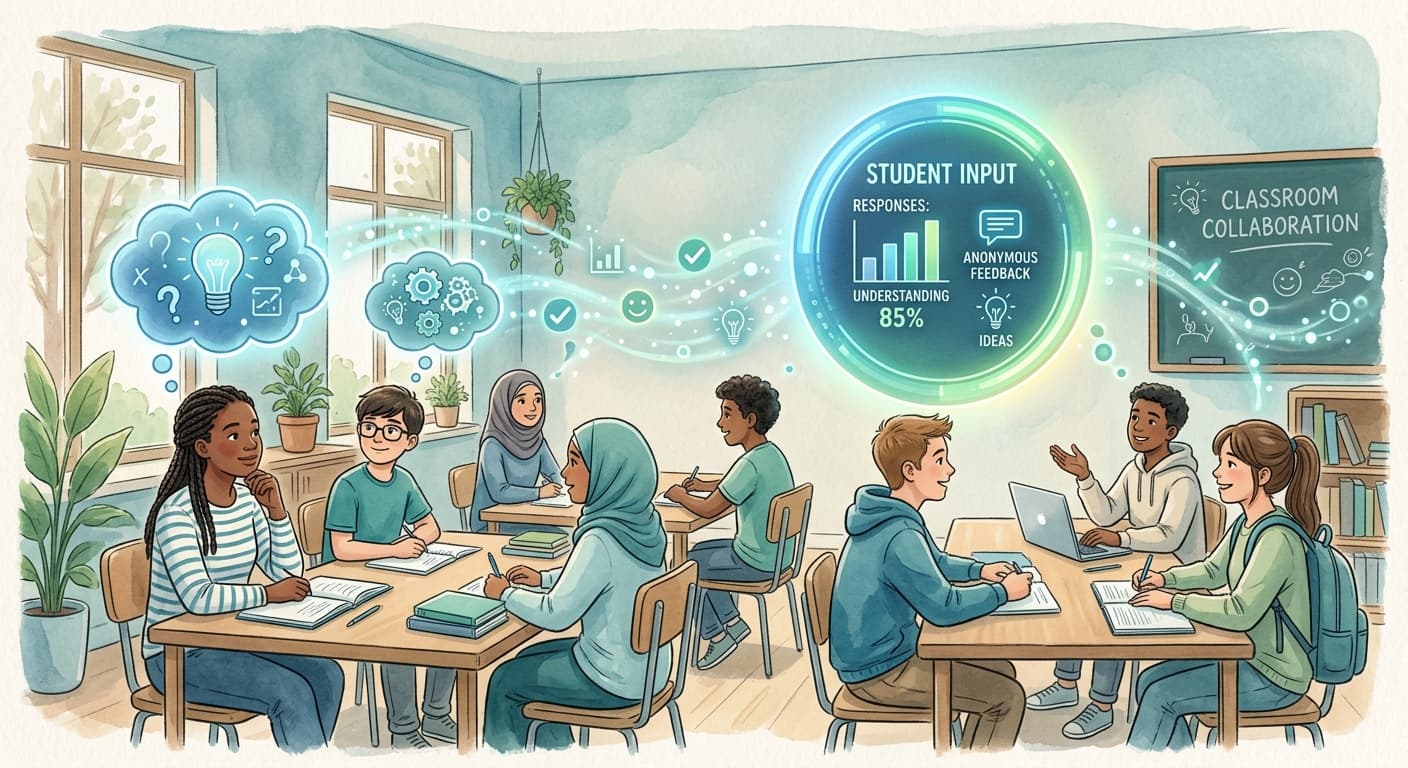
Every classroom has them - the students who clearly understand the material but never volunteer to speak. They ace written assignments but freeze when asked to contribute verbally. For years, educators have struggled to include these students in class discussions.
Anonymous polling changes everything.
The Psychology of Participation Anxiety
Research in educational psychology shows that fear of negative evaluation is the primary barrier to classroom participation. Students worry about:
- Looking "stupid" in front of peers
- Saying the "wrong" answer
- Speaking differently from the majority
- Drawing attention to themselves
These concerns are especially pronounced for students with anxiety, those from different cultural backgrounds, and anyone who's been embarrassed in class before.
What the Data Shows
When we analyzed participation patterns across 500+ ClassTempo classrooms, the results were striking:
- Anonymous responses: 94% of students participate
- Named responses: 42% of students participate
- Hand-raising: 18% of students participate
The gap is even larger for students identified by teachers as "quiet" or "shy" - anonymous polling increases their participation by 340%.
Beyond Quantity: Quality Matters
It's not just that more students respond anonymously. The nature of responses changes:
- Students share more honest opinions
- Questions reveal actual confusion, not performed confidence
- Controversial topics get genuine engagement
- Wrong answers (which reveal learning opportunities) are submitted more often
One teacher told us: "I finally understand what my students actually think, not just what they think I want to hear."
Implementing Anonymous Polling Effectively
To maximize the benefits:
1. Default to Anonymous
Make anonymity the norm, not the exception. Students shouldn't have to opt in to privacy.
2. Mix Question Types
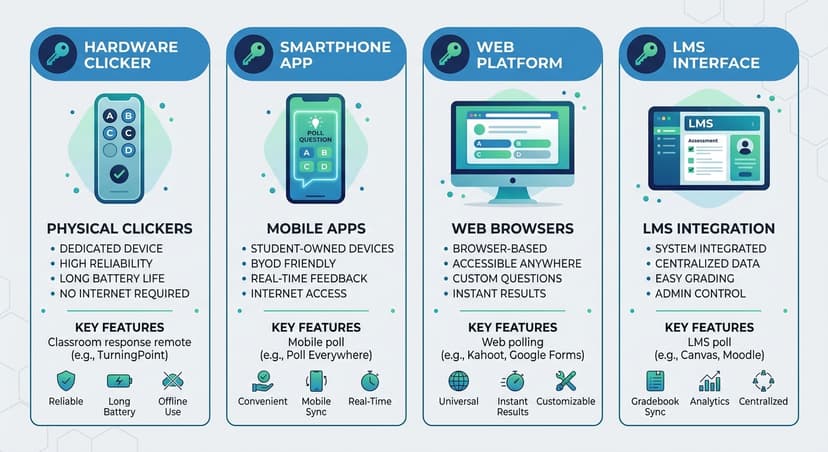
Use a combination of:
3. Show Results Before Discussion
Display aggregated responses before asking students to speak. When shy students see others share their view, they're more likely to elaborate verbally.
4. Never "Out" Anonymous Responses
If you can see who submitted what (as the instructor), keep that information private. Trust is everything.
The Bigger Picture
Anonymous polling isn't about hiding - it's about leveling the playing field. Some students need the safety of anonymity to take intellectual risks. As they build confidence seeing their ideas valued, many gradually become more comfortable with public participation.
The goal isn't permanent anonymity. It's creating an environment where every student can engage without fear, and where the best ideas win regardless of who voices them loudest.
Try anonymous polling in your next class. ClassTempo makes it simple - start your free trial today.