The Future of Classroom Technology in 2026 and Beyond
From AI tutors to immersive learning, here's what's shaping education technology and what educators need to know.

James Morrison
EdTech Analyst

Education technology has evolved dramatically in the past few years. What was once considered futuristic is now standard in many classrooms. Here's what's on the horizon and how educators can prepare.
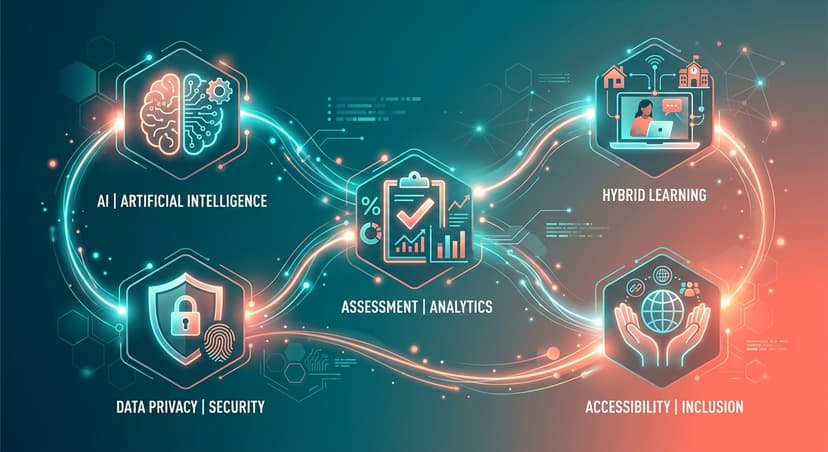
AI as a Teaching Assistant, Not a Replacement
The narrative around AI in education has matured. Rather than replacing teachers, AI tools are increasingly positioned as assistants that handle routine tasks:
- Automated grading for objective assessments
- Personalized practice problems based on individual student needs
- Real-time language translation for multilingual classrooms
- Content summarization for differentiated instruction
The key insight: AI handles the repetitive work, freeing teachers for what they do best - inspiring, mentoring, and connecting with students.
Interactive Learning Goes Mainstream
Static lectures are giving way to interactive experiences. The data is clear:
- Students in interactive classrooms show 23% higher retention
- Real-time polling increases engagement by 40%
- Anonymous response options surface 3x more student questions
Tools that enable instant feedback loops - like live polls, quizzes, and discussions - are becoming essential, not optional.
The Rise of Competency-Based Progression
Traditional seat-time requirements are being challenged by competency-based models where students advance by demonstrating mastery. Technology enables this through:
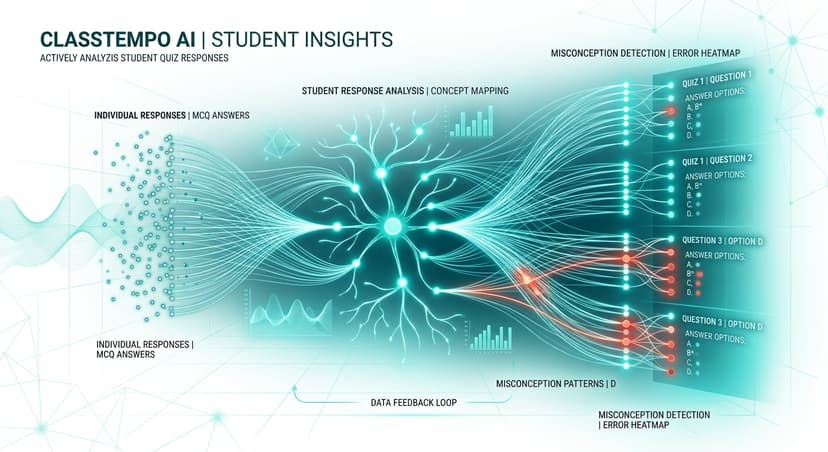
- Adaptive assessments that adjust difficulty in real-time
- Digital portfolios that showcase skill development
- Analytics dashboards that track progress toward standards
Privacy and Digital Citizenship
As more learning moves online, schools are prioritizing:
- Data privacy - strict controls on student information
- Digital literacy - teaching students to navigate online spaces safely
- Screen time balance - integrating technology purposefully, not constantly
The best EdTech tools now lead with privacy by design, minimizing data collection and maximizing learning outcomes.
What This Means for Educators
You don't need to adopt every new technology. Focus on tools that:
1. Solve a real problem in your classroom 2. Are simple enough to use without extensive training 3. Provide clear value for student outcomes 4. Respect student privacy
The most effective classroom technology disappears into the background, enabling better teaching rather than creating new complications.
Looking Ahead
The next wave of EdTech will likely bring more AI personalization, increased focus on social-emotional learning support, and better tools for formative assessment. Educators who stay curious and willing to experiment will be best positioned to leverage these advances.
Stay updated on EdTech trends - subscribe to our newsletter for monthly insights.