The Future of EdTech: 5 Trends Shaping Classrooms in 2026
From AI-assisted teaching to hybrid learning 2.0, here are the educational technology trends that are actually making a difference this year.
Michael Thompson
EdTech Analyst
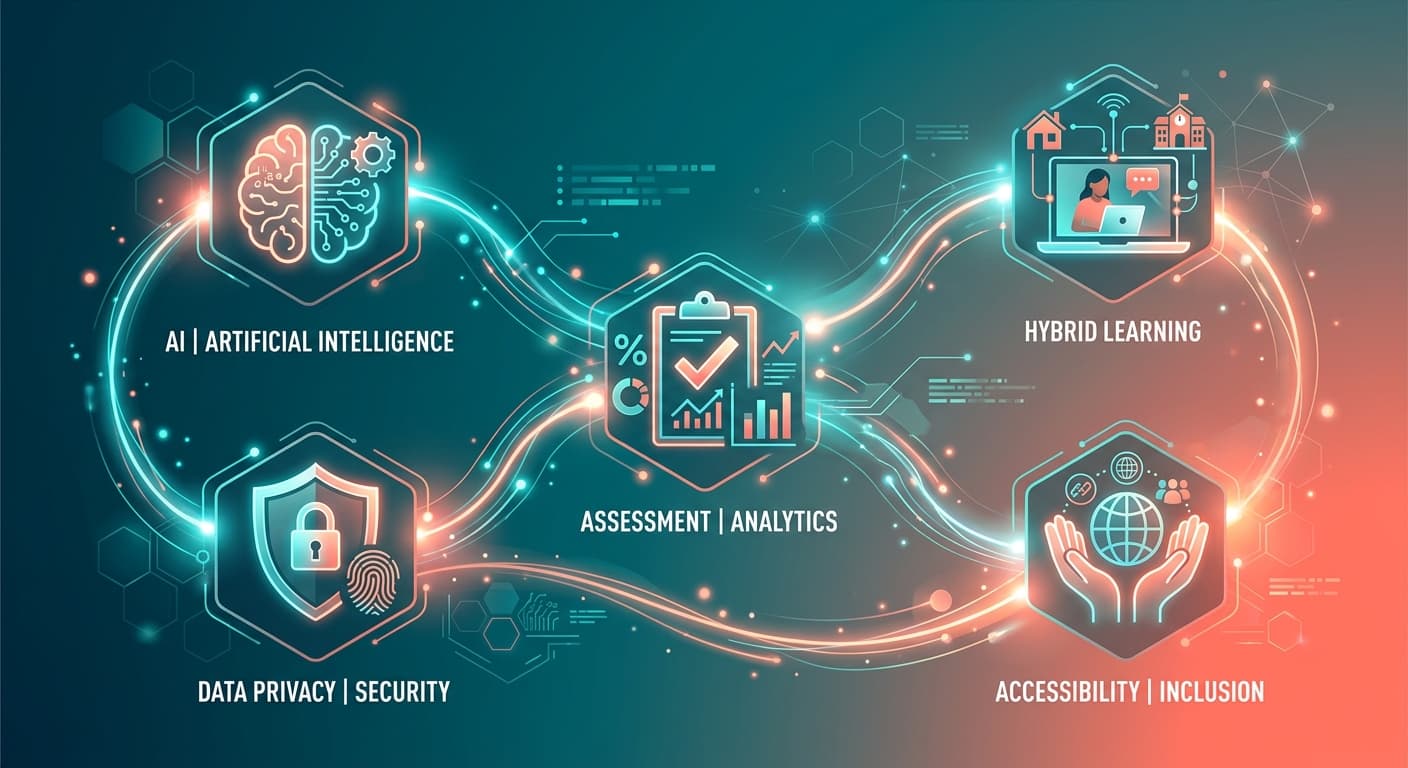
The educational technology landscape is evolving faster than ever. But amid all the hype, which trends are actually improving learning outcomes? We spoke with educators across K-12 and higher education to identify the five trends that matter most in 2026.
1. AI as Teaching Assistant, Not Replacement
The conversation has shifted. Rather than asking "Will AI replace teachers?", educators are now asking "How can AI handle administrative tasks so I can focus on teaching?"
What we're seeing:
The key insight: The most successful AI implementations augment teacher capabilities rather than trying to replicate them. Teachers remain essential for relationship-building, motivation, and the nuanced understanding of student needs.
2. Hybrid Learning 2.0
Remember the rushed pivot to remote learning in 2020? That was Hybrid Learning 1.0. Now we're seeing intentional, well-designed hybrid experiences.
What's different now:
The opportunity: Hybrid done well expands access—for students with health conditions, those in rural areas, and working professionals seeking continuing education.
3. Real-Time Formative Assessment
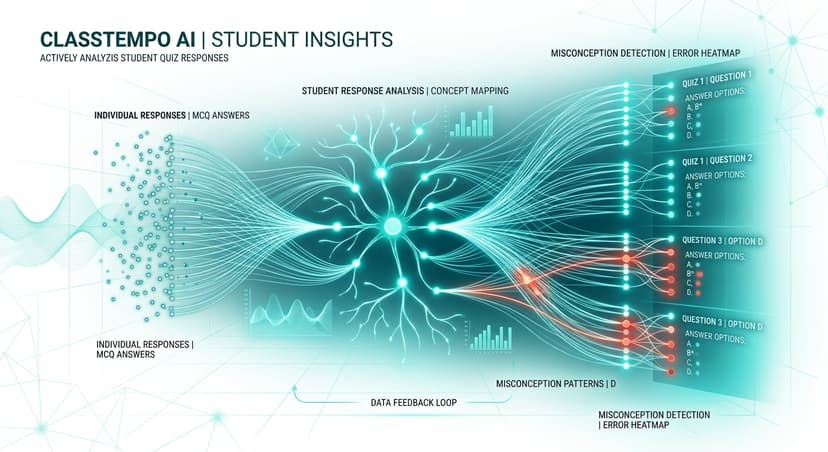
The days of waiting for test results to discover what students don't understand are numbered. Real-time assessment tools let teachers adjust instruction on the fly.
Popular approaches:
Why it matters: Research consistently shows that immediate feedback accelerates learning. When teachers can see confusion in real-time, they can address it before it compounds.
4. Data Privacy by Design
After years of concerns about student data collection, we're finally seeing tools built with privacy as a first principle—not an afterthought.
What this looks like:
The shift: Schools are increasingly choosing tools based on privacy practices, not just features. Vendors are responding.
5. Accessibility as Standard
Universal Design for Learning (UDL) principles are moving from "nice to have" to "table stakes" for educational technology.
Growing expectations:
The business case: Tools that work for students with disabilities usually work better for everyone. Captions help students in noisy environments. Adjustable displays help students on mobile devices. Good design is good design.
What's Notably Absent
VR/AR in Mainstream Classrooms
Despite ongoing hype, virtual and augmented reality remain niche. The hardware is still too expensive, the content too limited, and the pedagogical benefits unclear for most subjects. We expect this to change—eventually—but 2026 isn't the year.Blockchain Credentials
Academic blockchain credentials continue to be a solution looking for a problem. Traditional transcripts and diplomas work fine for most purposes.The Bottom Line
The trends that matter share a common thread: they make teachers more effective. Technology that adds complexity without clear benefits is being filtered out. What remains are tools that solve real problems in real classrooms.
ClassTempo is built on these principles—simple, effective, and designed for real teaching. See it in action.